
What Is a Retort Pouch and How Does It Function in Food Packaging?
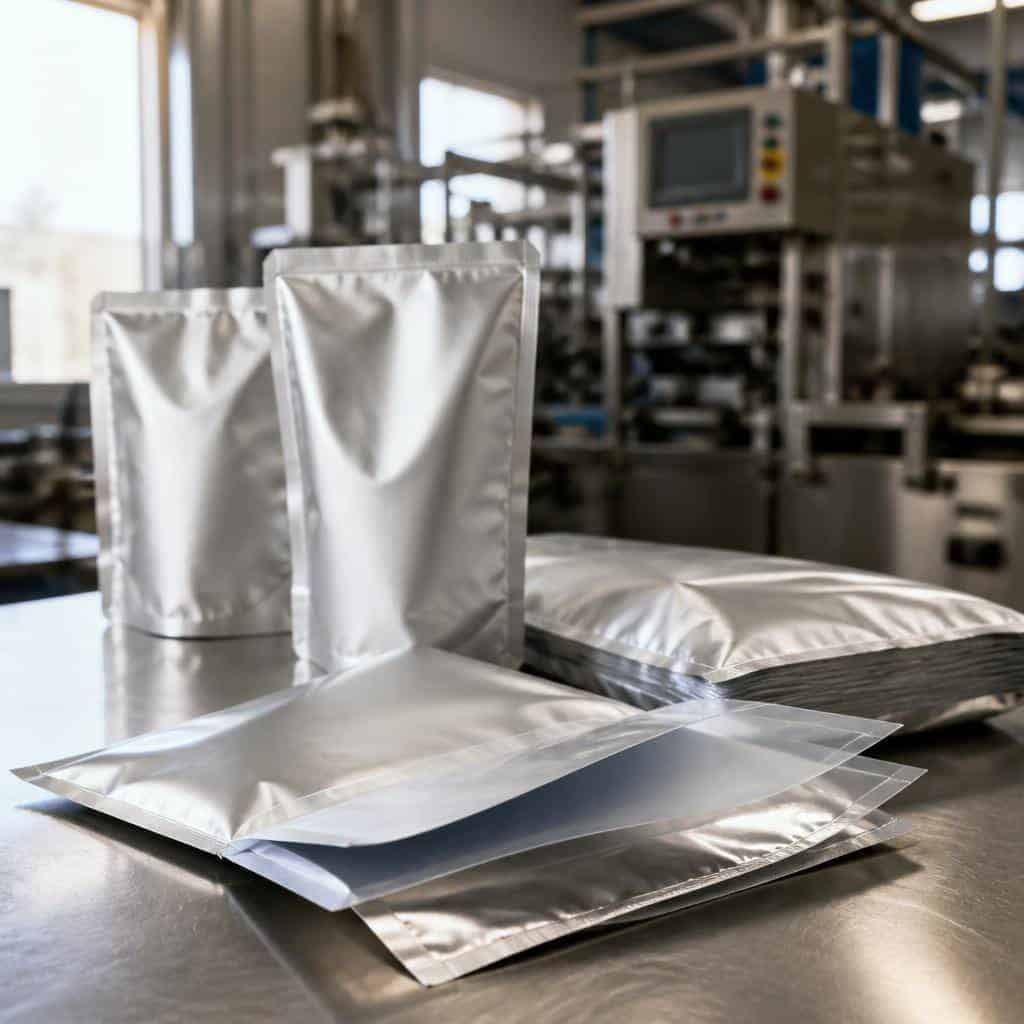
A retort pouch is a specialized flexible packaging solution designed for sterilizing and preserving food products with extended shelf life while maintaining quality and safety. Unlike conventional rigid cans or jars, this packaging format utilizes a multi-layer laminate film that withstands high-temperature processing known as retort sterilization. This method enables the packaged food to be cooked and sterilized within the sealed pouch, fostering convenient, lightweight, and shelf-stable food products ideal for various commercial food sectors.
Structural Composition and Materials Used
The construction of this packaging involves multiple layers engineered to provide barrier protection, mechanical strength, and heat resistance. Typically, the layers include an outer polyester for durability and printability, an aluminum foil layer acting as a moisture and oxygen barrier, and an inner layer of heat-sealable polypropylene or cast polypropylene that contacts the food.
This multi-ply configuration must endure autoclave conditions reaching temperatures above 121°C (250°F) without compromising seal integrity or material properties. The synergy among these materials ensures that the food inside remains sterile, safe, and free from contamination for extended periods without refrigeration.
Processing Method and Functionality in Food Packaging
The core function of a retort pouch is its compatibility with retort processing — a thermal sterilization technique used primarily for ready-to-eat meals, sauces, soups, and beverages. After filling, the sealed pouch undergoes high-pressure steam or hot water treatment that effectively neutralizes microbial threats.
This process involves placing the pouches into retort chambers where they experience pressurized steam at high temperatures, ensuring uniform heat penetration through flexible packaging walls. The flexibility of the pouch allows heat to permeate quickly, reducing cooking time compared to rigid cans, and minimizing nutrient degradation.
Advantages of Choosing Flexible Packaging for Sterilized Foods
- Weight Reduction: The lightweight nature reduces transportation costs and carbon footprint in supply chains.
- Space Efficiency: Flexibility and reduced volume after emptying optimize storage both pre- and post-use.
- Consumer Convenience: Easy to open, resealable options, and portability facilitate on-the-go consumption.
- Improved Heat Transfer: Thin packaging layers accelerate sterilization, enhancing process efficiency.
- Environmental Impact: Depending on material selection, offers potential for lower material usage and waste compared to traditional containers.
Key Selection Criteria for Industrial Application
When selecting flexible sterilization packaging, critical factors must be evaluated to ensure the packaging meets both process and product requirements:
- Barrier Properties: Resistance against oxygen, moisture, and light to maintain product freshness.
- Thermal Resistance: Suitability for retort sterilization conditions without material degradation.
- Seal Integrity: Reliable sealing to prevent leaks and microbial contamination during and after processing.
- Chemical Compatibility: Inertness with food contents to avoid reactions or flavor alteration.
- Regulatory Compliance: Alignment with food safety standards and packaging regulations.
Industrial Applications and Market Deployment
Retort pouches have become prevalent in sectors demanding extended shelf life without preservatives, such as military rations, emergency food supplies, ready meals, pet foods, and beverages. Their adaptability allows producers to diversify product portfolios with a packaging solution aligned with modern logistics and consumer convenience.
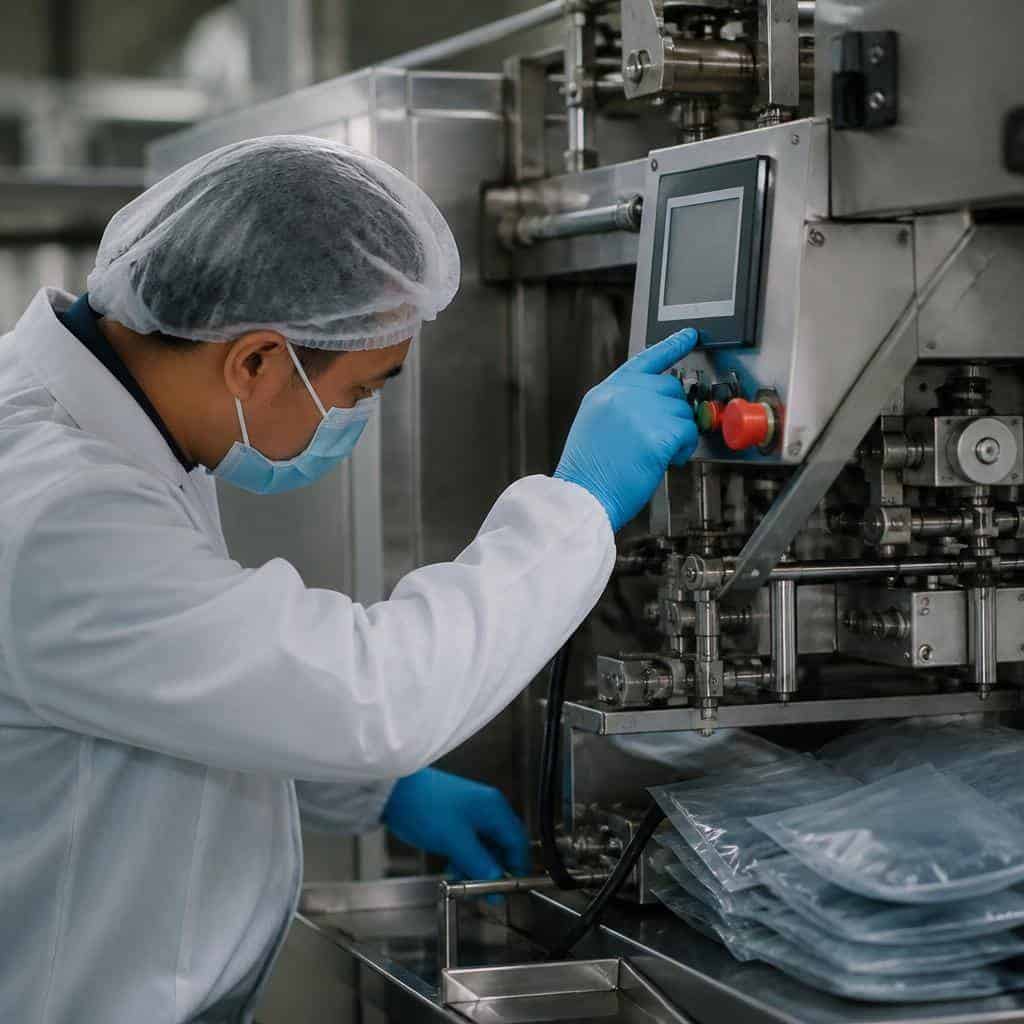
The production process requires specialized equipment for pouch forming, filling, sealing, and subsequent thermal processing. Manufacturers prioritize the selection of high-quality flexible packaging materials to ensure consistent performance under sterility requirements.
A practical example can be seen through products leveraging retort pouch technology to balance cost-effectiveness, safety, and shelf stability in a competitive packaging landscape.
| Aspect | Details |
|---|---|
| Materials | Polyester, Aluminum Foil, Polypropylene |
| Sterilization Method | Retort Processing (Thermal Sterilization) |
| Temperature Resistance | Up to 121-130°C |
| Main Uses | Ready meals, Sauces, Pet food, Beverages |
| Advantages | Lightweight, Space-saving, Consumer-friendly |
Addressing Limitations and Considerations
While versatile, flexible packaging for retort applications is subject to several constraints. Material costs can be higher compared to conventional cans, and recycling options remain limited due to composite layers. Additionally, handling and packaging machinery requires specific calibration to maintain seal quality. Companies must balance these factors alongside production volume and product characteristics when investing in retort pouch solutions.
Understanding the functionality, benefits, and industrial requirements of this packaging format allows businesses to optimize product shelf life and meet consumer demand for convenience without compromising food safety.